Source Range Extender Electric Car for Fleet, Logistics, and Tourism
Explore 30 range extender electric car listings from verified Chinese manufacturers. Compare specifications such as battery type, driving range, and power output to find suitable vehicles for commercial and passenger applications.
Key considerations
Products List


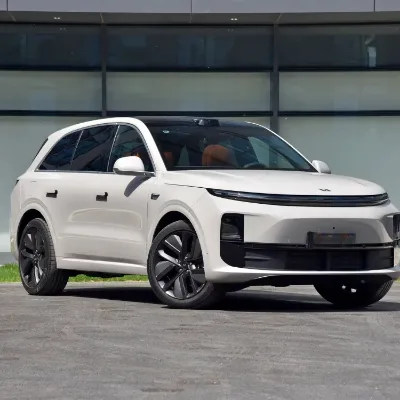


$52700.00 - $67600.00
Moq: 1





Comprehensive Sourcing Guide
Range Extender Electric Car Sourcing Guide
The global market for range extender electric vehicles (REEVs) presents a distinct procurement opportunity where buyers seek the zero-emission benefits of electric drive trains without the immediate anxiety of limited battery range. These vehicles utilize an onboard internal combustion engine or fuel cell strictly to generate electricity for the traction motor, rather than to drive the wheels directly. This architecture allows for a smaller, lighter battery pack compared to pure battery electric vehicles (BEVs) while extending the total driving distance significantly. For B2B buyers, this technology is particularly relevant for fleets operating in regions with underdeveloped charging infrastructure or for applications requiring long-haul capabilities where frequent recharging is impractical.
When sourcing these vehicles, buyers must navigate a complex landscape of manufacturers offering varying configurations, from compact passenger cars to larger SUVs. The observed market data indicates a wide spectrum of product attributes, including models with hybrid fuel types and specific range extender energy systems. Procurement strategies should focus on identifying suppliers who can provide transparent data on the balance between electric range and total extended range, as these figures directly impact operational efficiency and total cost of ownership. Understanding the specific energy type and fuel configuration is essential before engaging with potential vendors to ensure the vehicle meets the specific logistical requirements of the intended use case.
Product Scope and Observed Listing Signals
The current product listings reveal a diverse range of vehicle types, including closed-body passenger cars and large SUVs, which cater to different market segments. Buyers will encounter models with varying body structures, such as 5-door-6 seat SUVs, alongside more traditional passenger configurations. The observed data highlights specific model identifiers like the Ideal L9 and Wenjie M9, which represent high-end segments with advanced features. These listings often specify the driving type as adult-oriented and the usage as passenger transport, indicating that the primary market focus is on personal and commercial passenger mobility rather than heavy industrial utility.
Listing signals also provide critical insights into the physical and logistical characteristics of the inventory. Products are frequently described with specific dimensions, such as lengths around 5218mm and widths near 1998mm, which are vital for warehouse planning and fleet deployment. Packaging methods vary from iron frame packages to container shipping, suggesting that buyers must account for different logistics costs depending on the supplier's standard packing protocols. The presence of customized color options and available customization services indicates that many suppliers are willing to adapt the vehicle's exterior and interior to meet specific branding or operational needs, a factor that should be leveraged during the negotiation phase.
Technical Specifications to Verify
Technical due diligence for range extender vehicles requires a rigorous verification of powertrain components, specifically the interaction between the electric motor and the range-extending engine. Buyers must confirm the engine power ratings, which in the observed data range from 1200W to over 800W, and check for maximum power outputs that may reach 330kW in high-performance models. The voltage systems, such as the 72V configurations noted in some listings, are critical for understanding the electrical architecture and compatibility with charging infrastructure. Additionally, the type of energy source, whether labeled as hybrid or range extender, must be clearly defined to ensure the vehicle operates as intended without unexpected fuel consumption patterns.
Range and performance metrics are equally critical, as they define the operational utility of the vehicle. Buyers should verify the WLTC and CLTC electric range figures, which can vary significantly between models, with some listings showing ranges around 220km to 235km on electric power alone. The maximum speed, observed at 30km/h in certain compact models, must be matched against the intended application speed requirements. Furthermore, the braking system, whether hydraulic disc or electromagnetic, and the gearbox type, ranging from automatic to Tiptronic, directly influence safety and driving dynamics. Ensuring these specifications align with the operational environment is essential for preventing performance bottlenecks.
Compliance and Safety Documentation
Navigating the regulatory landscape for range extender vehicles requires a thorough review of certification documents, as standards vary significantly by destination market. The observed product data includes a wide array of certifications such as CCC, CE, EEC, DOT, and EPA, indicating that suppliers may target different regions with specific compliance packages. Buyers must verify that the specific unit they are purchasing holds the necessary certifications for their local jurisdiction, as a vehicle certified for one market may not be legally operable in another without additional modifications or testing. The presence of management certifications like ISO/TSS is also a strong indicator of a supplier's commitment to quality management systems.
Safety documentation extends beyond basic certifications to include detailed technical standards and structural integrity reports. The listed product standards, such as dimensions of 230011201600 or 290014301625, serve as reference points for structural compliance but must be cross-referenced with local safety regulations regarding vehicle dimensions and weight. Buyers should request test results for braking systems and battery safety, particularly for lead-acid battery configurations which are noted in some listings. Ensuring that the vehicle meets all local safety standards for emissions, noise, and structural crashworthiness is a non-negotiable step before finalizing any procurement agreement.
Cost Drivers and Commercial Terms
The pricing structure for range extender vehicles is highly variable, influenced by factors such as battery capacity, engine size, and the level of customization required. The observed price range spans from 7 USD to 69,000 USD, reflecting the vast difference between small utility vehicles and premium SUVs with advanced features. Buyers must analyze the cost drivers within this range, understanding that higher prices often correlate with larger electric ranges, more powerful engines, and additional safety features. It is crucial to distinguish between the base vehicle cost and the total landed cost, which includes shipping, insurance, and any import duties that may apply based on the vehicle's origin and classification.
Commercial terms, including Minimum Order Quantity (MOQ) and lead times, are significant variables that affect procurement planning. The observed MOQ range of 1 to 12,000 units suggests that suppliers are flexible, catering to both single-item purchases and large fleet deployments. However, buyers should negotiate terms that align with their cash flow and inventory strategies, as higher volumes may unlock better pricing tiers or more favorable shipping arrangements. The packing method, whether by sea or in iron frames, also impacts the overall cost and should be factored into the total budget. Clear agreements on payment terms, delivery schedules, and warranty coverage are essential to mitigate financial risks associated with large-scale vehicle procurement.
Supplier Qualification and Quality Control
Selecting a qualified supplier for range extender vehicles requires a deep dive into their manufacturing capabilities and quality assurance processes. The observed data indicates that suppliers are located in key manufacturing hubs such as Fujian and Guangdong in China, regions known for their automotive supply chains. Buyers should verify the supplier's production capacity and their ability to maintain consistent quality across large batches, especially given the wide range of observed MOQs. Requesting references from previous clients and conducting on-site audits can provide valuable insights into the supplier's operational stability and their adherence to production standards.
Quality control measures must be robust, covering everything from raw material sourcing to final assembly and testing. Buyers should insist on a detailed quality control plan that includes pre-shipment inspections and third-party testing for critical components like the battery, motor, and braking systems. The presence of specific model numbers and standardized packaging suggests a level of industrial maturity, but buyers must ensure that these standards are consistently applied to every unit. Establishing a clear protocol for handling defects and returns is also vital, as it ensures that any quality issues are resolved promptly without disrupting the buyer's operations or fleet deployment schedule.
Long-Term Procurement Checks
Sourcing range extender vehicles is not a one-time transaction but a long-term partnership that requires ongoing monitoring and performance evaluation. Buyers should establish key performance indicators (KPIs) to track vehicle reliability, maintenance costs, and fuel efficiency over time. Regular reviews of the vehicle's performance data, including battery degradation and engine maintenance needs, will help identify potential issues before they become costly problems. Building a strong relationship with the supplier ensures that they remain responsive to any future needs, such as spare parts availability or software updates for the vehicle's control systems.
Future-proofing the procurement strategy involves staying informed about technological advancements and regulatory changes in the range extender sector. As the market evolves, buyers should be prepared to adapt their fleets to new standards or technologies that may emerge. This includes monitoring changes in certification requirements and the availability of new battery technologies that could enhance vehicle performance. By maintaining a proactive approach to supplier management and market analysis, buyers can ensure that their fleet remains competitive, compliant, and efficient for years to come.
FAQs
What is the maximum speed of the range extender electric car?
The maximum speed is 30km/H for the listed models. This speed applies to the adult driving type with a 1200W engine power and hydraulic disc braking system.
Which certifications are available for these electric vehicles?
Available certifications include CCC, CE, EEC, DOT, and EPA. These standards ensure compliance for various markets and confirm the vehicle meets specific safety and regulatory requirements.
Can the vehicle body type be customized for specific needs?
Yes, customization is available for the body type and color. Buyers can request specific configurations while the standard offering includes a closed body structure with multiple color options.
What is the battery voltage and type for the electric system?
The system operates at 72V voltage and uses a lead-acid battery. This configuration supports the range extender type energy system found in the listed passenger vehicles.
How is the vehicle packed for shipping from the factory?
Packing options include iron frame packages or container packaging for sea transport. The specific method depends on the model, such as the Ideal L9 or Wenjie M9 ly variants.
What is the electric range for the range extender models?
The electric range varies between 220km WLTC and 235km CLTC. These figures apply to the hybrid fuel type vehicles with a range extender energy system.
Where are these range extender electric cars manufactured?
Manufacturing locations include Fujian and Guangdong in China. The origin is confirmed as China for the various models listed with different specifications and body structures.